Table of Contents
ToggleTulsa’s weather doesn’t ask permission before testing your roof. Hailstorms in spring, blistering summer heat that cracks shingles, ice dams in winter, it’s a year-round gauntlet. Most homeowners don’t think about their roof until water’s dripping into the living room, but by then, a $200 fix has turned into a $5,000 problem. Regular maintenance isn’t glamorous, but it’s the difference between a roof that lasts 25 years and one that fails at 15. This guide breaks down what Tulsa homeowners need to know to keep their roofs intact, from seasonal inspections to knowing when a problem’s beyond DIY.
Key Takeaways
- Regular Tulsa roof maintenance prevents small issues from becoming expensive repairs—catching damage early can save $4,700 or more compared to full replacement costs.
- Spring and summer inspections should focus on hail damage, missing shingles, granule loss, and flashing damage, while fall and winter preparations must prioritize gutter cleaning and ice dam prevention.
- Homeowners can handle DIY roof maintenance tasks like gutter cleaning, replacing individual shingles, and clearing debris, but structural issues, steep roofing, and complex flashing require licensed contractors.
- Tulsa’s extreme weather—including hail, 100°F+ summers, and freeze-thaw cycles—accelerates roof degradation, making seasonal inspections and proper attic ventilation essential.
- Always document inspections with photos, verify contractor licensing through Oklahoma’s Construction Industries Board, and avoid pressure washing your roof, which damages protective granules.
Why Roof Maintenance Matters in Tulsa’s Climate
Tulsa sits in a weather crossfire. The National Weather Service records show the region gets an average of 42 inches of rain annually, with severe thunderstorms rolling through March to June. Those storms bring hail, sometimes golf-ball-sized, that punches divots in asphalt shingles and cracks clay tiles.
Summer heat is another factor. When temperatures hit 100°F, asphalt shingles can reach 160°F on the surface. That thermal cycling, expanding in heat, contracting overnight, degrades the petroleum-based binders in shingles, making them brittle. Add UV radiation, and you’re looking at accelerated aging.
Winter brings freeze-thaw cycles. Water seeps into minor cracks, freezes, expands, and turns hairline damage into gaps wide enough for leaks. Ice dams form when heat escapes through poorly insulated attics, melting snow that refreezes at the eaves.
Neglecting maintenance in this climate isn’t just risky, it’s expensive. A roof replacement in Tulsa ranges from $5,500 to $12,000 depending on material and pitch, according to regional pricing data. Catching a damaged flashing or missing shingle early costs under $300. The math’s pretty clear.
Seasonal Roof Inspection Checklist for Tulsa Homeowners
Inspecting a roof isn’t about climbing a ladder every weekend. It’s about knowing what to look for and when. Tulsa’s seasonal extremes dictate the timing.
Spring and Summer Inspection Tips
After spring storms pass, grab binoculars and scan from the ground first. Look for:
- Missing or curled shingles: Wind and hail are the usual culprits. Asphalt shingles have a sealant strip that bonds them down: once compromised, they lift.
- Granule loss: Check gutters for accumulation of the gritty coating on asphalt shingles. Excessive granules mean the shingle’s wearing through its protective layer.
- Flashing damage: Metal flashing around chimneys, vents, and skylights takes direct hail impact. Dents and separations let water underneath.
- Debris buildup: Leaves and branches trap moisture. Clear them, especially in valleys where water concentrates.
If you’re comfortable on a ladder, inspect from the eaves. Wear soft-soled shoes, boots with hard treads can damage shingles. Never walk on a roof above 6/12 pitch (6 inches of rise per 12 inches of run) without proper fall protection: that’s both a safety standard and common sense.
Check attic ventilation while you’re at it. Tulsa summers demand airflow. Inadequate soffit and ridge vents create convection ovens that cook shingles from below.
Fall and Winter Preparation
Before the first freeze, focus on preventing ice dams and ensuring drainage:
- Clean gutters thoroughly: Clogged gutters back water under shingles. Use a gutter scoop and flush downspouts.
- Inspect caulking and sealants: The bead around vent boots and chimney flashing degrades over time. Butyl or polyurethane caulk rated for exterior use should be pliable, not cracked.
- Trim overhanging branches: Ice-loaded limbs snap. A branch through the roof is an insurance headache and an immediate structural concern.
- Check attic insulation: Proper insulation (R-38 to R-49 in Tulsa’s climate zone) keeps heat from escaping and melting snow unevenly.
Document what you find with photos and dates. Patterns, like recurring leaks near the same valley, point to underlying issues that need pro attention.
Common Roofing Problems in Tulsa and How to Address Them
Hail damage tops the list. Insurance adjusters in Tulsa see it constantly. Asphalt shingles show bruising, black spots where the granules are knocked off and the asphalt mat is exposed. Metal roofs get dimpled. If you suspect hail damage after a storm, file a claim quickly. Most policies have a one-year window, but waiting six months makes it harder to prove causation.
Ventilation failure is sneakier. An attic that’s 20°F hotter than outside air means your ridge and soffit vents aren’t cutting it. Poor ventilation accelerates shingle aging and can void manufacturer warranties. Installing additional vents or a powered attic fan (wired correctly per NEC Article 310) can help, but that’s often a job for an electrician and roofer working together.
Flashing failures happen where dissimilar materials meet. The rubber boot around a plumbing vent might crack after 10 years of UV exposure. Replacing a vent boot is straightforward, pry up the surrounding shingles, slide the old boot out, slip a new one in, renail, and reseal. Use roofing cement rated for flexibility, not the cheap stuff that hardens and cracks.
Moss and algae growth thrive in Tulsa’s humidity. Those black streaks on north-facing slopes are Gloeocapsa magma, a cyanobacterium. It’s mostly cosmetic, but it holds moisture against shingles. Professional roof cleaning services in Tulsa use low-pressure washing with zinc or copper solutions. DIY attempts with a pressure washer often blast away granules, don’t do it.
Ponding water on low-slope sections signals drainage problems. Water sitting longer than 48 hours after rain accelerates deterioration. This typically requires regrading or adding crickets (small diverters) behind obstacles, a design fix, not a Band-Aid.
DIY Roof Maintenance Tasks You Can Handle Yourself
Most homeowners can handle routine upkeep without calling a crew. Here’s what’s reasonable:
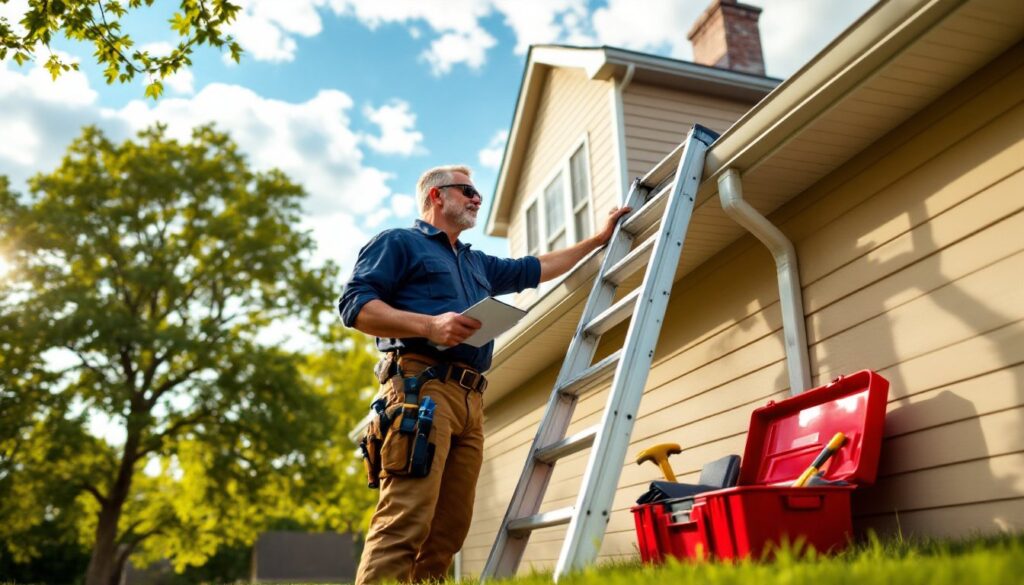
Gutter cleaning: Twice a year minimum, spring and fall. Use a stable extension ladder with standoff stabilizers so you’re not leaning directly on gutters. Scoop debris, flush with a hose, check for proper slope (1/4 inch per 10 feet toward downspouts).
Replacing individual shingles: If you’ve got a few missing three-tabs, this is a one-hour job. You’ll need a flat pry bar, roofing nails (1-1/4 inch galvanized), a hammer, and replacement shingles. Slide the pry bar under the damaged shingle and the one above it to lift the nails. Pull the old shingle, slide the new one in, nail it through the adhesive strip (four nails per shingle), and press down the overlapping shingle to reseal.
Sealing minor flashing gaps: Small separations around chimneys or vent pipes can be filled with roofing cement or polyurethane caulk. Clean the area first, caulk won’t adhere to dirt or old, degraded sealant.
Clearing debris: Blow or rake leaves out of valleys and off flat sections. A leaf blower works from the ladder: don’t walk on wet shingles.
Inspecting and documenting: Most of the work is visual. Using a seasonal home maintenance checklist helps keep inspections consistent and ensures nothing’s overlooked.
Safety gear is non-negotiable: Gloves protect against sharp metal flashing, safety glasses prevent debris in your eyes, and non-slip shoes reduce fall risk. If your roof is steeper than 6/12 pitch or higher than one story, use a safety harness anchored to a structural ridge vent or installed anchor point per OSHA fall protection guidelines.
When to Call a Professional Roofing Contractor
Some jobs are beyond the scope of a weekend warrior, and knowing that line keeps you safe and your roof intact.
Structural damage: Sagging sections, visible rafter deflection, or interior ceiling stains spreading across multiple joists all indicate potential structural failure. That’s not a patch job, it’s a load-bearing issue requiring engineering assessment.
Full or partial reroofing: Tearing off old shingles, installing underlayment, and laying new courses is a multi-person, multi-day project. Permit requirements vary, but most jurisdictions require permits for full replacements and inspections for code compliance (proper nailing patterns, drip edge installation, underlayment spec).
Steep or complex roofs: Anything above 7/12 pitch, or roofs with multiple valleys, dormers, or irregular geometry, increases fall risk and difficulty. Pros have scaffolding, harnesses, and insurance.
Insurance claims: If you’re filing for storm damage, most insurers want a licensed contractor’s estimate and scope of work. DIY repairs can complicate claims or void coverage.
Flashing replacement around chimneys or skylights: Properly integrating step flashing and counter-flashing with masonry or metal requires precision. Botched flashing is a common source of leaks that take years to trace.
When vetting contractors, verify they’re licensed (Oklahoma requires roofing contractors to register with the Construction Industries Board), insured (general liability and workers’ comp), and will pull necessary permits. Platforms like HomeAdvisor offer contractor matching and cost estimators to help compare bids, but always check references and recent work yourself. Get three written estimates, and be wary of any bid that’s 30% lower than the others, it usually means shortcuts.
A well-maintained roof is one you don’t think about. In Tulsa, that means proactive inspections, addressing small issues before they cascade, and knowing when to hand the job to someone with better insurance than you. Stick to that plan, and your roof will outlast the mortgage.