

Smoke detectors are like the unsung heroes of home safety, quietly watching over us while we go about our daily lives. But let’s face it—most people only think about them when they start beeping at the most inconvenient times, like during a family dinner or that all-important Zoom call. Testing smoke detectors isn’t just a chore; it’s a crucial step to ensure they’re ready to spring into action when it counts.
Overview of Smoke Detector Tests
Smoke detector tests confirm the reliability of these crucial safety devices. Performing tests monthly is recommended to ensure optimal functioning. Pushing the test button verifies battery power and sound alertness. Any silence during this test indicates a potential issue, requiring immediate attention.
Regular maintenance involves replacing batteries at least once a year. Many smoke detectors feature a low-battery indicator, alerting users when the power supply diminishes. It’s crucial to follow the manufacturer’s guidelines, as some models may require full unit replacement every 10 years.
Clean smoke detectors using a vacuum or soft brush to eliminate dust and debris. Accumulated particles can interfere with sensor function and overall performance. Understanding the differences between ionization and photoelectric smoke detectors aids in choosing the right unit for specific needs.
Ionization smoke detectors detect fast-flaming fires efficiently, while photoelectric models excel in sensing smoldering fires. Homeowners can increase safety by installing both types in various areas of the home.
In homes with multiple smoke detectors, it’s beneficial to test each unit during monthly checks. Integrating smoke alarm systems with carbon monoxide detectors maximizes safety measures. Anticipating potential hazards contributes to preparedness, enhancing home safety.
Staying informed about local fire codes ensures compliance and enhances protection. Regular training on smoke detector tests improves knowledge, preparing everyone for emergency procedures. Prioritizing these tests directly influences safety and risk management.
Types of Smoke Detectors
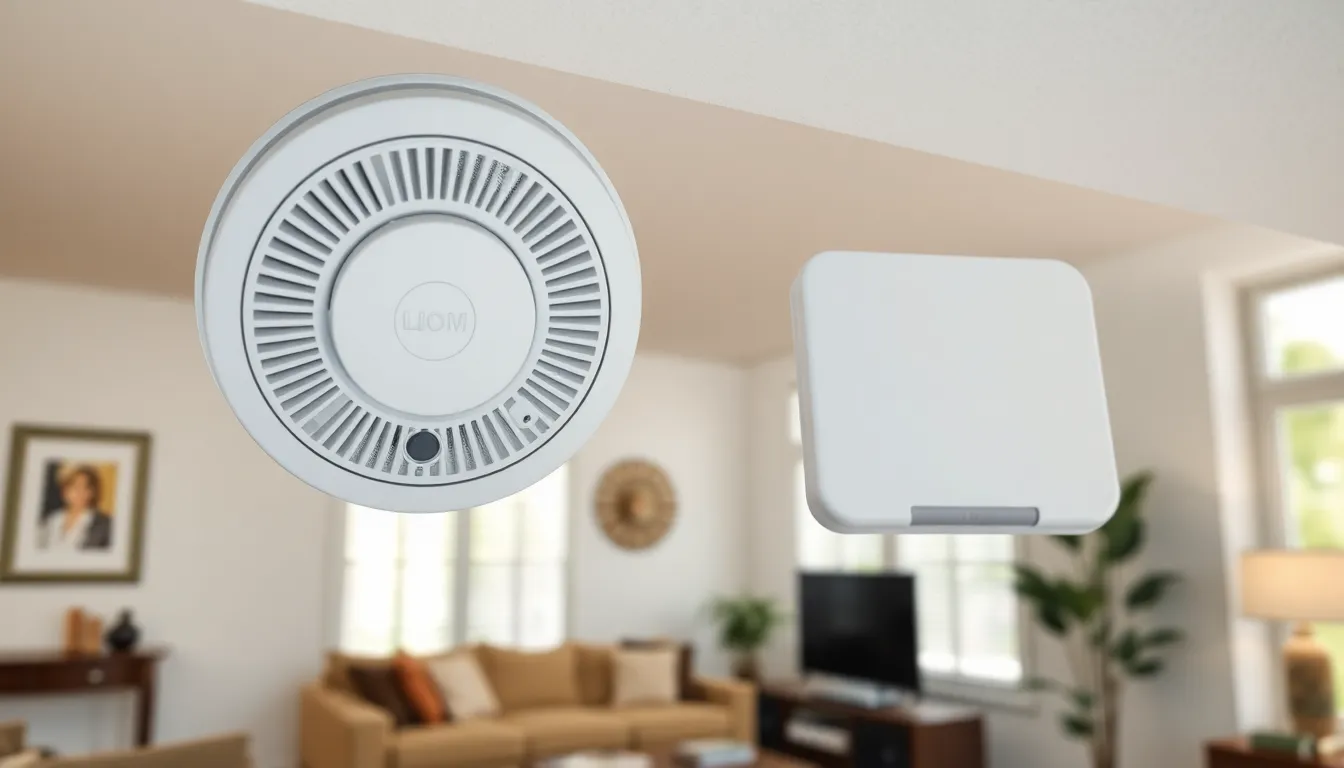
Smoke detectors come in two primary types: ionization and photoelectric. Understanding these types helps homeowners choose the right detector for their needs.
Ionization Smoke Detectors
Ionization smoke detectors excel at detecting fast-flaming fires. They contain a small amount of radioactive material that ionizes the air. This ionization helps identify smoke particles quickly. These devices respond swiftly to flames, making them ideal for kitchens and living rooms. It’s not uncommon to find them installed in many homes due to their efficiency. Regular testing ensures that they remain functional.
Photoelectric Smoke Detectors
Photoelectric smoke detectors excel in detecting smoldering fires. They use a light beam and a sensor to identify smoke. This setup makes them particularly effective in bedrooms and hallways. Homeowners appreciate their sensitivity to slow-burning fires fueled by common materials like furniture. Installing these detectors in combination with ionization units enhances overall safety. Consistent maintenance keeps these detectors working at their best.
Importance of Regular Testing
Regular testing of smoke detectors ensures they remain reliable during emergencies. Homeowners should treat each test as a crucial part of household safety.
Ensuring Reliability
Testing checks each smoke detector’s functionality, verifying proper operation when it counts. Monthly tests provide peace of mind, knowing that detectors are ready to respond. It’s essential to push the test button and listen for the sound alert. Regular testing correlates with reduced risks of malfunction during a fire. If detectors fail to sound, homeowners must replace batteries or units promptly. A well-maintained device stays responsive in critical moments. Familiarity with each unit’s operation reinforces safety preparedness for family members.
Promoting Safety
Smoke detector tests play a vital role in overall home safety. Families ensure they are alerted to smoke or heat immediately by conducting regular tests. Proper functioning devices decrease the likelihood of severe injury or property damage during a fire incident. Firefighters recommend integration with carbon monoxide detectors, creating a comprehensive safety network. Safety training sessions enhance knowledge about the proper response to alarms. Staying informed about local fire codes strengthens community safety initiatives. Ultimately, prioritizing regular testing of smoke detectors safeguards lives and property.
How to Conduct Smoke Detector Tests
Conducting smoke detector tests is essential for ensuring safety at home. Regular testing confirms that these devices operate effectively when needed.
Step-by-Step Testing Process
Start by pressing the test button on the smoke detector. This action verifies both battery power and sound alertness. Check for a loud, clear alarm, demonstrating that the alarm functions properly. If no sound occurs, replace the batteries immediately. Cleaning the unit with a vacuum attachment removes dust and debris that could obstruct performance. After testing, remember to reset the detector if needed. Familiarize yourself with the manufacturer’s instructions, as specific models may have unique requirements.
Recommended Testing Frequency
Test smoke detectors monthly to guarantee reliable operation. Monthly checks allow homeowners to catch potential issues early. Replace batteries at least once a year to maintain optimum performance. Consider using a calendar reminder to stay on track. Keep in mind that some newer smoke detectors come with ten-year batteries, lessening the need for frequent replacements. In addition, make it a habit to clean each detector regularly. Proper maintenance enhances functionality and increases safety during emergencies.
Common Issues and Troubleshooting
Smoke detectors may present various issues that require attention. First, if a smoke detector doesn’t sound during testing, battery replacement is necessary. Weak batteries often lead to malfunctions, so ensuring battery strength remains a priority is critical.
Dust accumulation can cause false alarms or hinder performance. Cleaning smoke detectors regularly helps maintain their effectiveness. Use a soft cloth or vacuum attachment to remove dust and debris from the unit.
A chirping sound indicates low battery power. When this occurs, replacing the battery immediately is essential. This annoying alert also acts as a reminder for regular maintenance checks.
Some homeowners might notice their smoke detector emitting intermittent beeps, which often signifies malfunction. In such cases, checking the manufacturer’s instructions is important to determine the proper troubleshooting steps.
Inconsistent alarms can also arise from environmental factors. High humidity, steam, or temperature fluctuations can trigger false alarms. Placing smoke detectors away from kitchens and bathrooms can minimize these occurrences.
For those utilizing combination smoke and carbon monoxide detectors, ensuring both functions perform correctly is vital. Testing each aspect of the combined unit confirms reliability.
If issues persist even after basic troubleshooting, replacing the smoke detector may become necessary. Regularly updating devices every 10 years helps ensure optimal performance.
Staying educated on the specific model’s requirements enhances troubleshooting effectiveness. Homeowners often overlook this aspect, leading to reduced safety.
Regular smoke detector tests are a fundamental aspect of home safety that shouldn’t be overlooked. By ensuring these devices operate effectively, homeowners can significantly reduce the risks associated with fire emergencies. Monthly testing and maintenance not only confirm the reliability of smoke detectors but also foster a proactive approach to safety.
Incorporating both ionization and photoelectric detectors enhances fire detection capabilities, providing comprehensive protection. Staying informed about local fire codes and troubleshooting common issues can further improve safety measures. Ultimately, prioritizing smoke detector tests is a crucial step in safeguarding lives and property against the devastating effects of fire.


