
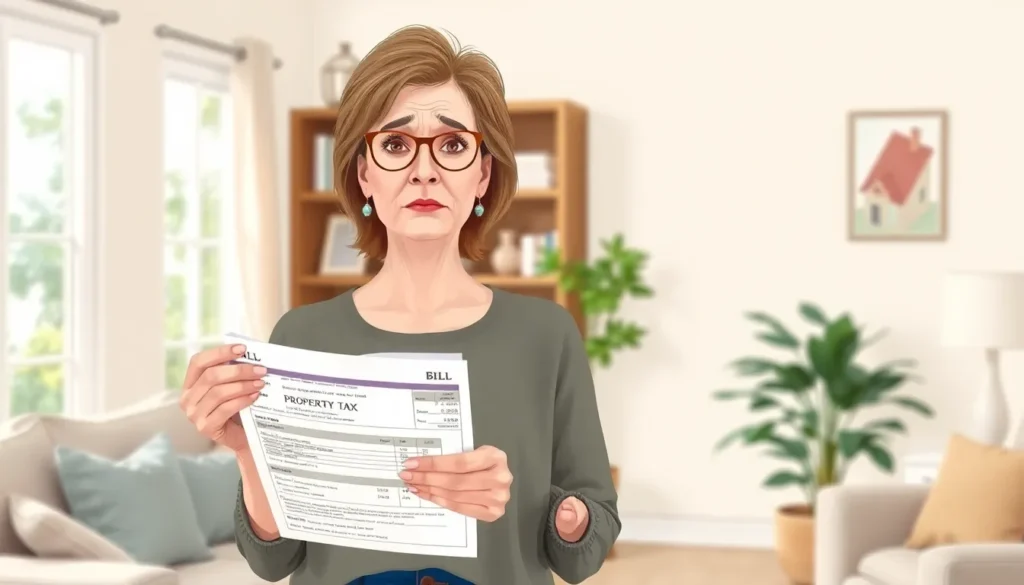
Paying property taxes might not top anyone’s list of favorite activities, but it’s as unavoidable as that one cousin who shows up uninvited to every family gathering. While it may seem like a chore, staying on top of property tax bills can save homeowners from headaches down the road. After all, no one wants to face the wrath of a tax collector or worse—losing their beloved home.
Understanding Property Taxes
Property taxes represent a critical financial obligation for homeowners. Tax authorities leverage these taxes to fund public services and maintain infrastructure.
What Are Property Taxes?
Property taxes emerge as annual levies imposed on real estate. Tax assessors calculate these taxes based on the assessed value of properties. Homeowners pay these taxes to local governments, which utilize the revenue for services such as education, emergency services, and road maintenance. Rates differ across municipalities and depend on local economic conditions.
Importance of Paying Property Taxes
Paying property taxes ensures access to essential community services. Timely payments help maintain schools, roads, and public safety systems. Failure to pay can lead to severe repercussions, including penalties and potential foreclosure. Paying taxes on time signals a homeowner’s commitment to their community and property. Consistent payments contribute to stable funding for local services that benefit all residents.
How to Pay Property Tax Bill
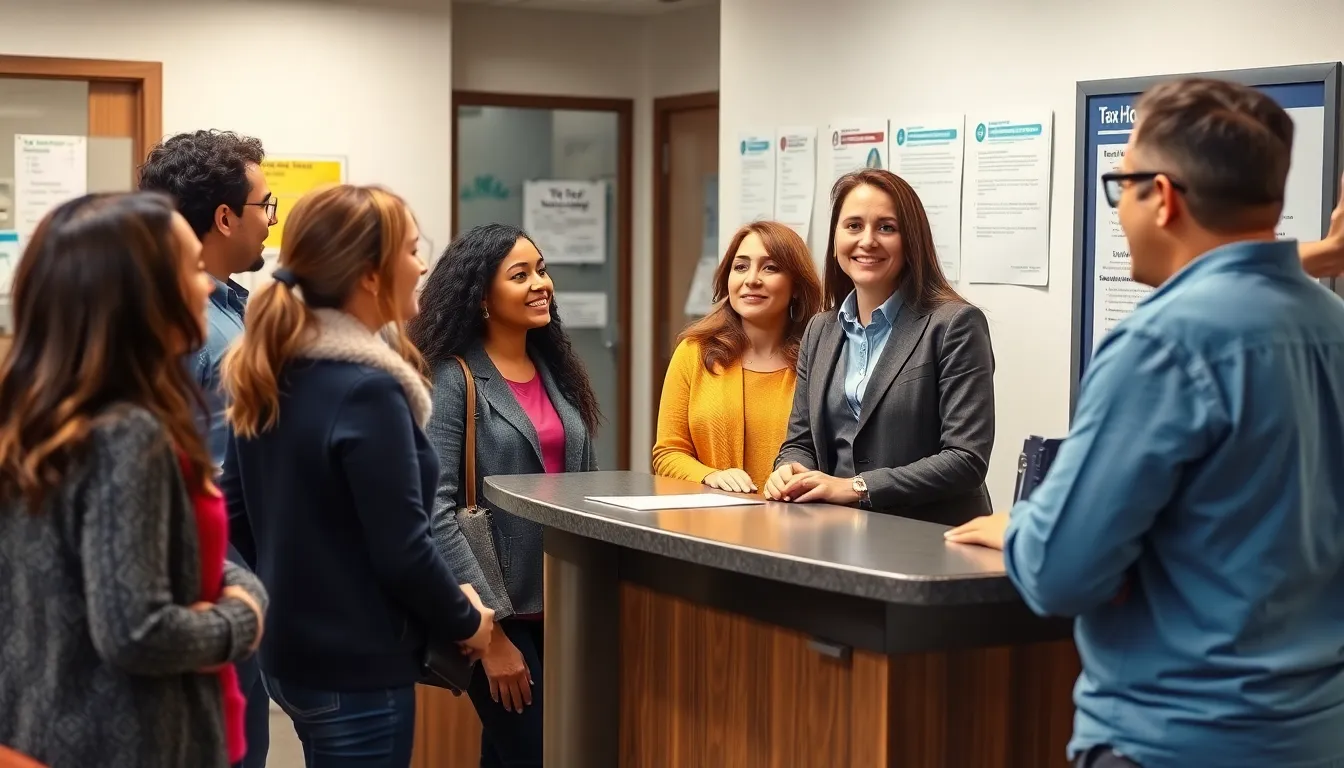

Paying a property tax bill involves several straightforward methods tailored to individual preferences. Homeowners can choose from various options to ensure timely payments.
Online Payment Options
Online payment platforms offer convenience for homeowners. Many municipalities provide secure websites for electronic payments using credit or debit cards. Some local governments also allow direct bank transfers. Payment confirmation typically appears instantly, helping homeowners stay organized. Additionally, setting up automatic payments simplifies managing future tax bills.
In-Person Payment Methods
In-person payment methods remain available for those who prefer face-to-face transactions. Local tax offices accept payments via cashier’s check, money order, or cash. Visiting the office allows homeowners to ask questions directly regarding their bills. Some municipalities may offer extended hours during peak tax periods, accommodating varying schedules. Always check for potential service fees associated with specific payment methods.
Payment by Mail
Mailing a payment serves as another reliable option. Homeowners can send checks or money orders directly to their local tax authority. It’s essential to include the property tax bill and personal identification details to ensure proper credit. Always send payments well in advance of the due date to account for potential postal delays. Tracking the mailed payment can offer peace of mind and assurance of timely submission.
Consequences of Not Paying Property Taxes
Not paying property taxes carries significant repercussions that homeowners must understand. Awareness of these potential consequences helps in maintaining financial stability.
Penalties and Interest
Property owners face penalties for late payments, which can accumulate quickly. The initial penalty often ranges from 1% to 10% of the unpaid tax amount, depending on local laws. Interest on the outstanding balance also compounds, typically at a rate of 1% to 1.5% per month. Missing payment deadlines exacerbates the financial burden, as ongoing delays can lead to increased costs. Understanding these penalties ensures homeowners remain proactive in managing their property tax obligations.
Risk of Foreclosure
Foreclosure is a severe consequence of failing to pay property taxes. If taxes remain unpaid for a specific period, municipalities may initiate foreclosure proceedings, resulting in the loss of property. Many states follow a timeline of three years, after which legal action can occur. Homeowners face the threat of losing not just their homes, but also any equity built over time. Maintaining timely payments is crucial in preventing this devastating scenario.
Tips for Managing Property Tax Payments
Effective management of property tax payments ensures homeowners meet their obligations without undue stress. Several strategies can simplify the process.
Budgeting for Property Taxes
Creating a specific budget for property taxes helps homeowners prepare financially. Allocating funds monthly allows for a clear view of total tax liabilities. Property taxes can vary, so understanding the assessed value of real estate is essential for accurate budgeting. Calculating payments based on previous years’ bills can also provide guidance. Many municipalities send out tax estimates, which can aid in budgeting effectively. Reviewing local tax rates periodically ensures homeowners stay informed about any potential changes in tax obligations.
Setting Up Payment Reminders
Establishing payment reminders is a proactive approach to ensuring timely tax payments. Utilizing digital calendars allows homeowners to set alerts well before due dates. Many tax authorities also offer reminders via email or text messages. Sending reminders at various intervals, such as two weeks and one week before deadlines, reduces the chance of missed payments. Creating a checklist that includes payment methods and necessary documentation reinforces preparation. Timely payments not only prevent penalties but also support community services funded by property taxes.
Paying property taxes is an essential responsibility that every homeowner must prioritize. Staying on top of these payments not only avoids penalties and potential foreclosure but also supports vital community services. By utilizing various payment methods and setting reminders, homeowners can manage their property tax obligations more effectively. Emphasizing the importance of timely payments fosters a sense of commitment to the community while ensuring access to the resources that benefit all residents. Taking proactive steps today can lead to a more secure financial future and a thriving neighborhood.


