Table of Contents
ToggleFoundation plantings set the tone for a home’s curb appeal, but busy homeowners don’t have time for constant pruning, fertilizing, and fussing over finicky plants. Small, low maintenance shrubs offer the perfect solution: structured year-round interest without the weekend workload. These compact plants fill the critical zone between the foundation and the yard, softening hard edges and adding layered texture. Whether working with full sun, partial shade, or challenging soil conditions, selecting the right shrubs upfront means less work and better results for years to come.
Key Takeaways
- Low maintenance small shrubs for the front of your house require proper site matching—selecting plants adapted to your sun, soil, and climate conditions is the most important step to reduce ongoing care.
- Dwarf boxwood, spirea, and nandina are proven low maintenance options that deliver year-round interest with minimal pruning, watering, or fertilizer after the first 12–18 months of establishment.
- Proper planting technique—digging the correct hole width, teasing apart root-bound roots, and applying 2–3 inches of mulch away from stems—determines long-term success and reduces maintenance headaches.
- Once established, drought-tolerant shrubs with heights of 2–4 feet won’t block windows or require corrective pruning, saving time and money while increasing home value by 5–10 percent.
- Deep, infrequent watering during the first growing season builds drought tolerance, and most low maintenance shrubs need supplemental water only during extended dry spells after year one.
Why Choose Low Maintenance Shrubs for Your Front Yard
Low maintenance doesn’t mean no maintenance, it means choosing plants adapted to the site conditions so they thrive without constant intervention. The right shrubs resist common pests and diseases, tolerate drought once established, and maintain a compact form without weekly shearing.
Foundation plantings take a beating. They’re exposed to reflected heat from siding, roof runoff that alternates between flood and drought, compacted soil from construction, and foot traffic near walkways. Plants that can handle these stresses save time and money over the long haul.
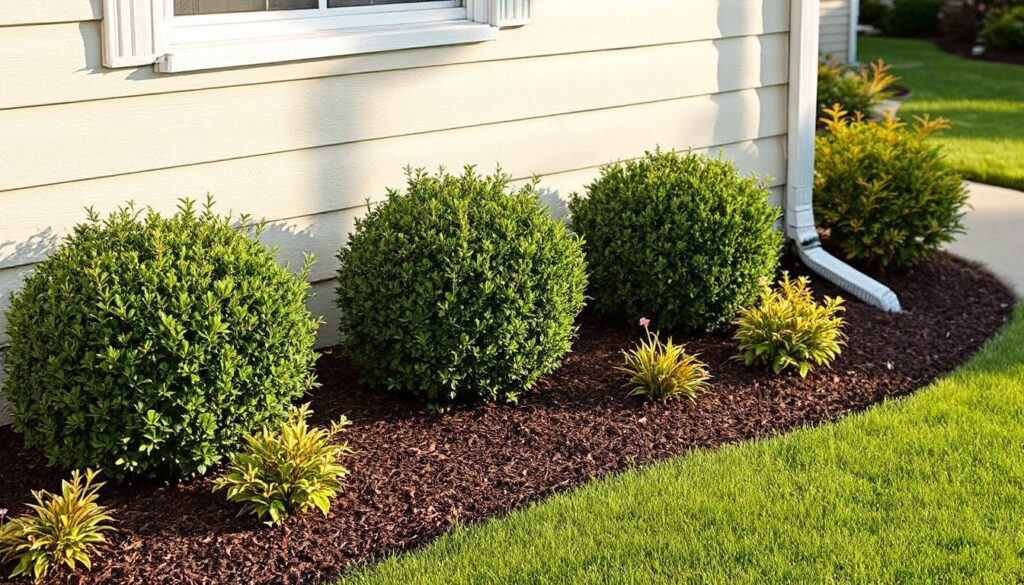
Small shrubs also offer practical advantages over larger specimens. They won’t block windows or grow into eaves, which means less corrective pruning. Mature heights of 2 to 4 feet work well under most residential windows and alongside entry paths. Compact growth habits mean these plants fit tighter spaces, near meters, downspouts, or along narrow foundation beds where larger shrubs would overwhelm.
Another benefit: lower water bills and reduced fertilizer inputs. Once established (typically 12 to 18 months after planting), drought-tolerant shrubs need supplemental watering only during extended dry spells. Native and adaptive species often thrive in existing soil without amendments, cutting down on bags of compost and fertilizer.
Finally, the right shrubs increase home value. A well-planted front yard signals that a property is cared for, and mature foundation plantings can add 5 to 10 percent to perceived value during resale, without the ongoing cost of perennial beds or seasonal color rotations.
Best Low Maintenance Small Shrubs for Foundation Plantings
Dwarf Boxwood: Classic Elegance With Minimal Effort
Buxus sempervirens cultivars like ‘Green Gem’ and ‘Green Velvet’ deliver the formal look of traditional boxwood in a fraction of the size. These evergreens typically max out at 2 to 3 feet tall and wide, making them ideal for foundation corners, flanking doorways, or lining walkways.
Boxwood tolerates partial shade to full sun and adapts to a range of soil types as long as drainage is decent. Once established, they’re quite drought-tolerant. Pruning needs are minimal, a single shearing in late spring after new growth hardens off keeps them tidy. Avoid shearing in late summer, which can stimulate tender growth vulnerable to winter damage.
Boxwood blight is a concern in humid regions. Choose resistant cultivars like ‘Green Mountain’ or ‘Vardar Valley’ if blight is present in the area. Good air circulation (avoid planting too close together) and mulching to prevent soil splash reduce disease pressure.
For colder climates (Zones 4-5), Korean boxwood (Buxus sinica var. insularis) offers better winter hardiness than English types. It’s slower growing but tougher against freeze-thaw cycles.
Spirea: Colorful Blooms Without the Fuss
Compact spirea varieties like ‘Little Princess’, ‘Magic Carpet’, and ‘Goldmound’ bring seasonal color changes and spring blooms with almost zero upkeep. These deciduous shrubs range from 1.5 to 3 feet tall depending on the cultivar, with mounding or rounded forms that need little to no pruning.
Spirea thrives in full sun (at least 6 hours) and isn’t picky about soil. They tolerate clay, occasional drought, and even road salt spray near driveways. Spring-blooming types (Spirea japonica) produce clusters of pink or white flowers in late spring, followed by foliage that shifts from lime green to burgundy depending on the variety.
Maintenance is straightforward: a light trim after flowering if shaping is desired, but many gardeners skip it entirely. Spirea doesn’t suffer from significant pest or disease issues, and deer tend to leave it alone. For Southern climates, spirea handles heat and humidity without issue, making it a reliable choice from Southern Living gardens to Northern borders.
In areas with heavy clay or poor drainage, plant spirea slightly high (crown 1 to 2 inches above grade) and amend the backfill with 20 to 30 percent compost to improve root establishment.
Dwarf Nandina: Year-Round Interest and Durability
Nandina domestica ‘Harbour Dwarf’, ‘Fire Power’, and ‘Gulf Stream’ are compact, semi-evergreen to evergreen shrubs prized for multi-season interest. Heights range from 2 to 3.5 feet, with fine-textured foliage that shifts from green to bronze, red, or purple depending on season and sun exposure.
Nandina handles full sun to part shade and isn’t fazed by heat, humidity, or drought once established. It’s one of the few shrubs that performs well in the challenging transition zone between foundation shade and lawn sun. White spring flowers give way to red berries in fall (on taller varieties), and the foliage color intensifies in cooler months, ideal for adding winter interest when most plants look dormant.
No serious pest or disease problems affect nandina, and it’s highly tolerant of urban conditions: compacted soil, reflected heat, and air pollution. Pruning is optional. To rejuvenate older clumps, cut one-third of the oldest canes to ground level in early spring.
Note: In some Southern states, standard (tall) nandina is considered invasive due to bird-spread seeds. Stick with sterile dwarf cultivars that don’t produce berries, or remove berries before they ripen if using varieties like ‘Gulf Stream.’
For extremely cold zones (Zone 5 and colder), nandina can suffer dieback in harsh winters. Mulch the root zone with 3 to 4 inches of shredded bark to insulate roots, and site plants on the south or east side of the foundation for added warmth.
Choosing the Right Shrubs for Your Climate and Sunlight Conditions
Matching plants to site conditions is the single most important step in creating a low maintenance landscape. A sun-loving spirea planted in deep shade will struggle and require constant attention: a moisture-loving hydrangea in a hot, dry spot becomes a weekly watering chore.
Start with hardiness zones. Check the USDA Plant Hardiness Zone for the property (available online via ZIP code). Most of the shrubs listed here span Zones 4 or 5 through 8 or 9, but verify each cultivar. A plant rated for Zone 6 will need winter protection or may not survive in Zone 5.
Assess sun exposure accurately. “Full sun” means 6+ hours of direct sun daily: “part sun” or “part shade” means 3 to 6 hours: “full shade” means less than 3 hours. Use a timer or sun calculator app to measure light at the planting site during the growing season, not during winter when deciduous trees are bare.
Foundation beds on the south or west side of a house get the most intense sun and heat. Choose drought-tolerant, heat-loving shrubs like spirea, nandina, or barberry for these exposures. North and east sides receive gentler morning light and stay cooler, ideal for boxwood, dwarf holly, or shade-tolerant varieties.
Soil drainage matters as much as sunlight. Dig a test hole 12 inches deep, fill it with water, and time how long it takes to drain. If water sits for more than 4 hours, drainage is poor. Amend heavy clay with compost, or consider raised beds and species that tolerate wet feet (like inkberry holly).
Regional climate quirks also affect plant selection. Gardeners in the Pacific Northwest deal with wet winters and dry summers, choose shrubs that handle moisture swings. Desert climates need extreme drought tolerance and heat resistance. Humid Southeastern states benefit from disease-resistant varieties that resist fungal issues common in muggy conditions.
Wind exposure near corners or open yards can desiccate foliage, especially on evergreens in winter. Planting slightly away from the corner or adding a temporary burlap windbreak for the first winter helps new shrubs establish.
Finally, don’t forget underground obstacles. Call 811 before digging to locate buried utilities. Avoid planting directly over septic lines, sprinkler heads, or shallow foundation drains where roots could cause future problems.
Planting and Care Tips for Long-Term Success
Proper planting and early care determine whether a shrub becomes a low maintenance asset or a high-maintenance headache.
Timing matters. Plant in early spring or fall when temperatures are mild and rainfall is more consistent. Avoid planting during summer heat or winter freezes, which stress new transplants. Container-grown shrubs can technically go in anytime, but spring and fall establishment is easier on the plant and the gardener.
Dig the right hole. Make it two to three times wider than the root ball but no deeper. The top of the root ball should sit level with or slightly above the surrounding grade. Planting too deep smothers roots and causes decline. Roughen the sides of the hole with a spade to prevent glazing in clay soils, which can restrict root growth.
Remove the shrub from its container and gently tease apart circling roots. If roots are heavily bound, make three or four vertical cuts with a clean knife from top to bottom of the root ball to encourage outward growth. Don’t skip this step, pot-bound roots rarely correct themselves and can girdle the plant years later.
Backfill with native soil, or amend with no more than 30 percent compost if soil is exceptionally poor. Tamp lightly to remove air pockets, then water thoroughly to settle soil around roots. Create a shallow berm of soil around the planting hole to hold water during initial establishment.
Mulch properly. Apply 2 to 3 inches of shredded bark, wood chips, or pine straw around the base, keeping mulch 2 to 3 inches away from stems. Mulch conserves moisture, suppresses weeds, and moderates soil temperature, but piled against stems it invites rot and pest problems.
Watering schedule: Newly planted shrubs need consistent moisture for the first growing season. Water deeply twice per week during dry spells, delivering about 1 inch of water per session (use a rain gauge or empty tuna can to measure). Shallow, frequent watering encourages shallow roots: deep, infrequent watering builds drought tolerance.
After the first year, most low maintenance shrubs can shift to natural rainfall, with supplemental watering only during extended droughts (more than 2 weeks without rain).
Fertilizing: In most cases, low maintenance shrubs don’t need annual fertilization. A soil test (available through local extension offices for $10 to $20) reveals whether nutrient amendments are necessary. If growth is slow or foliage is pale, apply a balanced slow-release fertilizer like 10-10-10 in early spring at the rate specified on the package. Avoid high-nitrogen formulas, which push excess foliage growth that requires more pruning.
Pruning: The beauty of low maintenance shrubs is minimal pruning. Remove dead, damaged, or crossing branches in early spring. For flowering shrubs like spirea, prune lightly after blooms fade if shaping is desired. For evergreens like boxwood or nandina, a single trim in late spring is enough.
Pest and disease monitoring: Even low maintenance plants benefit from a quick monthly walk-through. Look for discolored leaves, holes, or stunted growth. Catching problems early, like aphids on new growth or fungal spots, means a simple fix instead of plant loss. For most issues, removing affected foliage and improving air circulation is enough. Insecticidal soap or horticultural oil handles soft-bodied pests without harsh chemicals.
Winter protection: In borderline hardiness zones, apply an extra layer of mulch in late fall and wrap evergreens in burlap if they’re exposed to harsh wind or winter sun. Avoid using anti-desiccant sprays on boxwood and nandina unless winter burn has been a recurring problem, they’re often unnecessary and can cause leaf damage if applied incorrectly.
With the right plant choices and solid establishment practices, small shrubs can anchor a front yard for 10 to 20+ years with nothing more than occasional watering during droughts and light annual cleanup. That’s the kind of low maintenance payoff that makes country-style home ideas and modern minimalist landscapes alike look great year-round without constant weekend projects.