Table of Contents
ToggleKeeping a home in tip-top shape can feel like a never-ending game of Whac-A-Mole, but it doesn’t have to be a battle. With a solid interior maintenance checklist, homeowners can tackle those pesky tasks before they turn into major headaches. Think of it as your home’s personal trainer, whipping it into shape while you kick back and enjoy a cup of coffee.
Importance Of An Interior Maintenance Checklist
An interior maintenance checklist serves as a crucial tool for homeowners. This checklist helps prioritize essential tasks, preventing neglect that can lead to bigger issues. Regular maintenance protects the home’s value, ensuring all systems function efficiently.
Efficiency improves significantly when a checklist is followed. Tasks range from checking smoke detectors to ensuring proper ventilation. Addressing small repairs, like loose cabinet hardware, contributes to overall home safety and enjoyment.
In addition, a checklist encourages timely preventive measures. Homeowners can identify potential problems early, such as moisture buildup that may lead to mold. Small adjustments, like resealing windows and doors, save energy and enhance comfort.
Fostering a routine is vital. Regularly scheduled inspections of heating, ventilation, and air conditioning systems help maintain air quality. Tracking tasks also aids accountability, ensuring no essential maintenance item gets overlooked.
Utilizing a checklist can enhance peace of mind. Knowing that preventive tasks are completed reduces stress and improves home satisfaction. Overall, the interior maintenance checklist streamlines home management, making upkeep more manageable and less time-consuming.
Essential Items For Your Interior Maintenance Checklist
An effective interior maintenance checklist includes crucial tasks for preserving the home’s comfort and safety. Focus on these essential categories to streamline the upkeep process.
Routine Cleaning Tasks
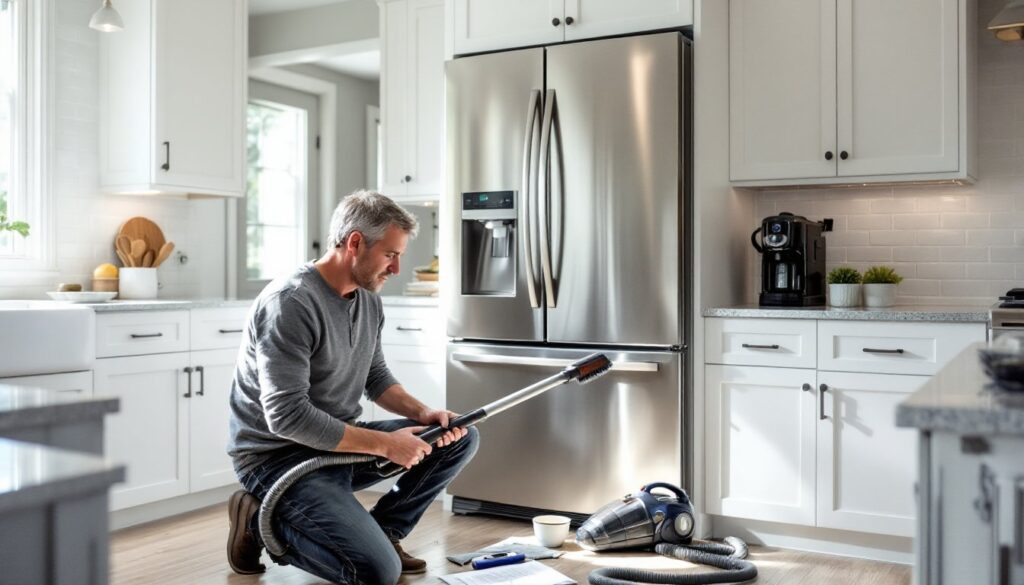
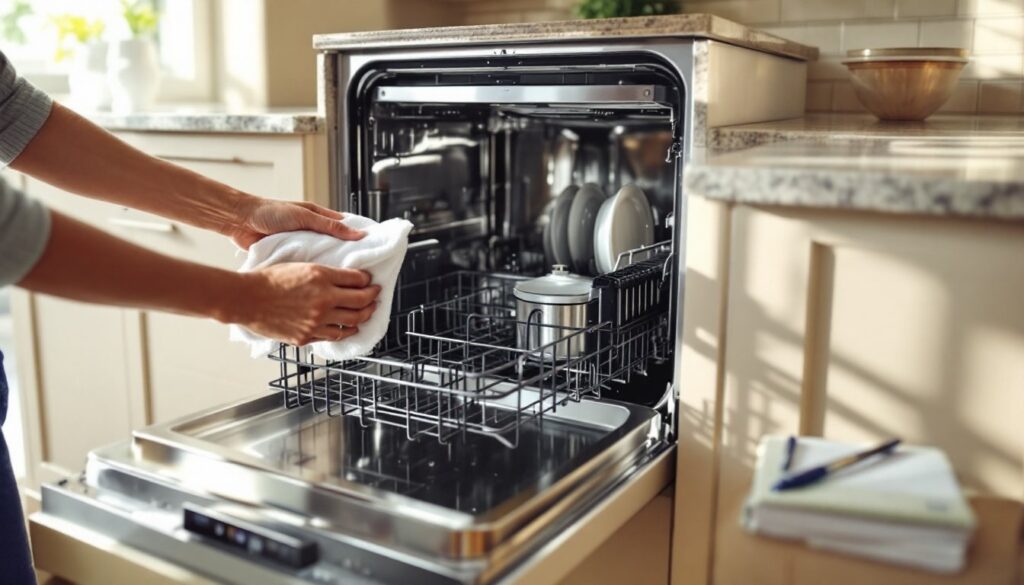
Cleaning floors, carpets, and surfaces maintains a healthy environment. Dusting fixtures and furniture prevents allergens from accumulating. Checking and replacing air filters improves indoor air quality while prolonging HVAC efficiency. Regularly cleaning kitchen appliances, including the refrigerator and oven, prevents buildup that can lead to malfunctions. Checking smoke detectors and replacing batteries ensures safety and compliance.
Seasonal Maintenance Tasks
Conducting seasonal inspections identifies potential issues early. In spring, check for water leaks from pipes or the roof. Summer maintenance includes inspecting window screens for damage and ensuring proper ventilation. Fall tasks involve clearing gutters and downspouts to prevent water damage. Winter requires checking insulation and sealing drafts around windows and doors to enhance energy efficiency. Each season presents an opportunity to address specific needs, enhancing the home’s overall integrity.
Tips For Creating Your Custom Interior Maintenance Checklist
Creating a custom interior maintenance checklist involves careful planning. Proper task prioritization holds significant importance in ensuring effective home upkeep.
Prioritizing Tasks
Identifying critical tasks sets the foundation for an efficient checklist. Homeowners should start with essential maintenance items that safeguard safety, like checking smoke detectors or testing carbon monoxide detectors. Addressing minor repairs promptly, such as tightening cabinet hardware, prevents small issues from escalating. Consider environmental factors, especially seasonal changes, that may affect specific maintenance needs. For instance, promptly inspecting for leaks after winter helps mitigate water damage. Assigning priority levels to tasks based on urgency and frequency further enhances efficiency. Routine cleaning, such as dusting surfaces and changing air filters, remains crucial for maintaining overall home condition. Keeping this structured approach ensures that homeowners address vital tasks consistently.
Scheduling Maintenance
Consistent scheduling plays a pivotal role in maintaining a well-kept interior. Homeowners should establish a routine that aligns with their lifestyle and the specific needs of their home. Monthly tasks might include checking smoke alarms, while seasonal inspections, such as clearing gutters in fall, could occur quarterly. Creating reminder systems, like digital calendar alerts, makes scheduling easier. Allocating specific days for tasks ensures that nothing is overlooked amidst a busy schedule. Building time for unexpected repairs also contributes to maintaining a flexible routine. Reviewing and adjusting the checklist periodically helps homeowners stay updated with changing needs. Effective scheduling maximizes the benefits of an interior maintenance checklist, leading to a more comfortable and secure living environment.
Common Mistakes To Avoid
Overlooking small repairs frequently leads to larger problems. Homeowners often neglect minor issues like loose cabinet hardware or peeling paint, thinking they’re inconsequential. Delaying these repairs compounds difficulties, eventually requiring significant intervention.
Prioritizing tasks can become challenging. Many individuals create lengthy checklists without categorizing tasks, resulting in misplaced focus. Segmenting the checklist into urgent versus routine tasks aids efficiency. Assigning priority levels ensures critical safety tasks, like checking smoke detectors, remain at the forefront.
Skipping seasonal inspections poses risks. Homeowners sometimes forget to check for leaks or clean gutters, which can lead to major water damage if left unaddressed. Planning these checks according to seasonal needs prevents escalation of repairs.
Ignoring the importance of ventilation affects indoor air quality. Ventilation impacts health, with poor air circulation often leading to mold growth. Regularly inspecting air filters and ensuring proper airflow promotes a healthier living environment.
Failing to create a maintenance schedule introduces chaos. Relying solely on memory often results in missed tasks, which can contribute to neglect. Establishing a routine provides a structure that helps homeowners stay on track.
Inadequate tracking of completed tasks may result in oversight. Without a system for monitoring progress, it’s easy to forget what’s already been addressed. Implementing a tracking method enhances accountability and ensures nothing is overlooked.
Neglecting to adapt the checklist for environmental changes leaves homeowners vulnerable. Weather fluctuations or local conditions can influence home maintenance needs. Customizing the checklist according to these factors improves overall effectiveness and home care.
Conclusion
An interior maintenance checklist is an invaluable asset for homeowners aiming to keep their living spaces safe and comfortable. By prioritizing tasks and establishing a routine, they can prevent minor issues from becoming major headaches. This proactive approach not only protects the home’s value but also enhances overall satisfaction.
Implementing a checklist tailored to individual needs ensures that essential tasks are completed on time. Regular inspections and timely repairs contribute to a healthier living environment while fostering peace of mind. Embracing this structured method simplifies home maintenance and allows homeowners to focus on enjoying their spaces rather than worrying about upkeep.