
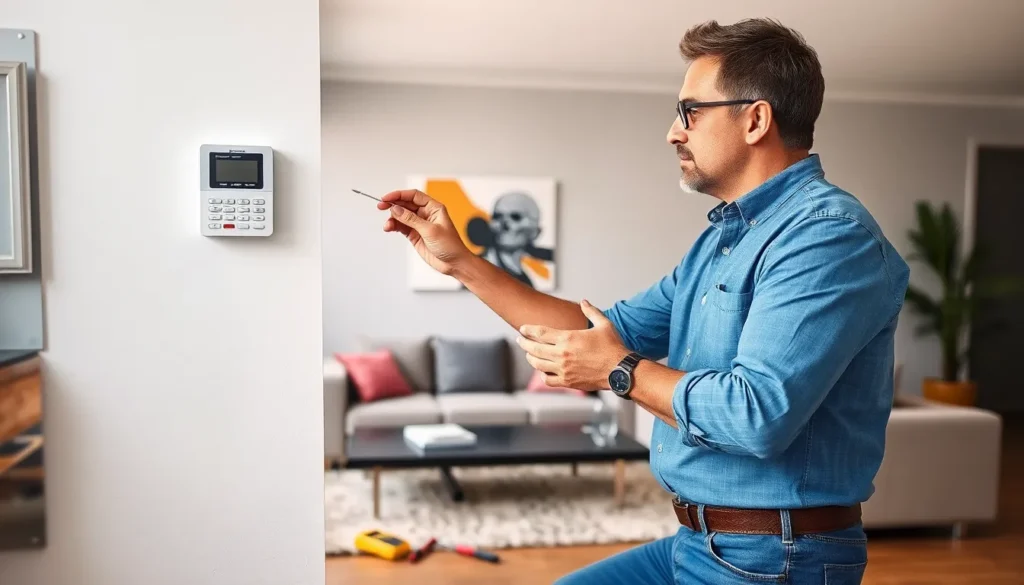
Every home needs a trusty alarm system, but how often does it get the attention it deserves? Just like a pet that needs regular walks, your security system craves a good test now and then. After all, it’s not enough to just install it and hope for the best. Imagine relying on a smoke detector that’s never been tested—yikes!
Overview of Alarm System Tests
Regular tests of alarm systems ensure they function correctly and provide safety. These evaluations confirm the reliability of the system and help prevent dangerous situations.
Importance of Testing Alarm Systems
Testing alarm systems plays a critical role in maintaining home safety. Without regular checks, alarms may fail during emergencies, leading to risk for residents. Consistent testing helps identify malfunctions, ensuring proper response when threats arise. For instance, smoke detectors that go untested may not activate during a fire, increasing danger. Regular assessments foster confidence in the system’s ability to protect homes and lives.
Types of Alarm System Tests
Various alarm system tests enhance security and efficacy. Functional tests simulate real-life scenarios, assessing how components respond. Sensitivity tests gauge the alarm’s ability to detect threats without false alarms. Maintenance checks ensure equipment is operational, batteries are charged, and sensors are clean. Each type of test contributes to a comprehensive understanding of the alarm system’s performance, promoting safety and assurance in its capabilities.
Conducting an Alarm System Test
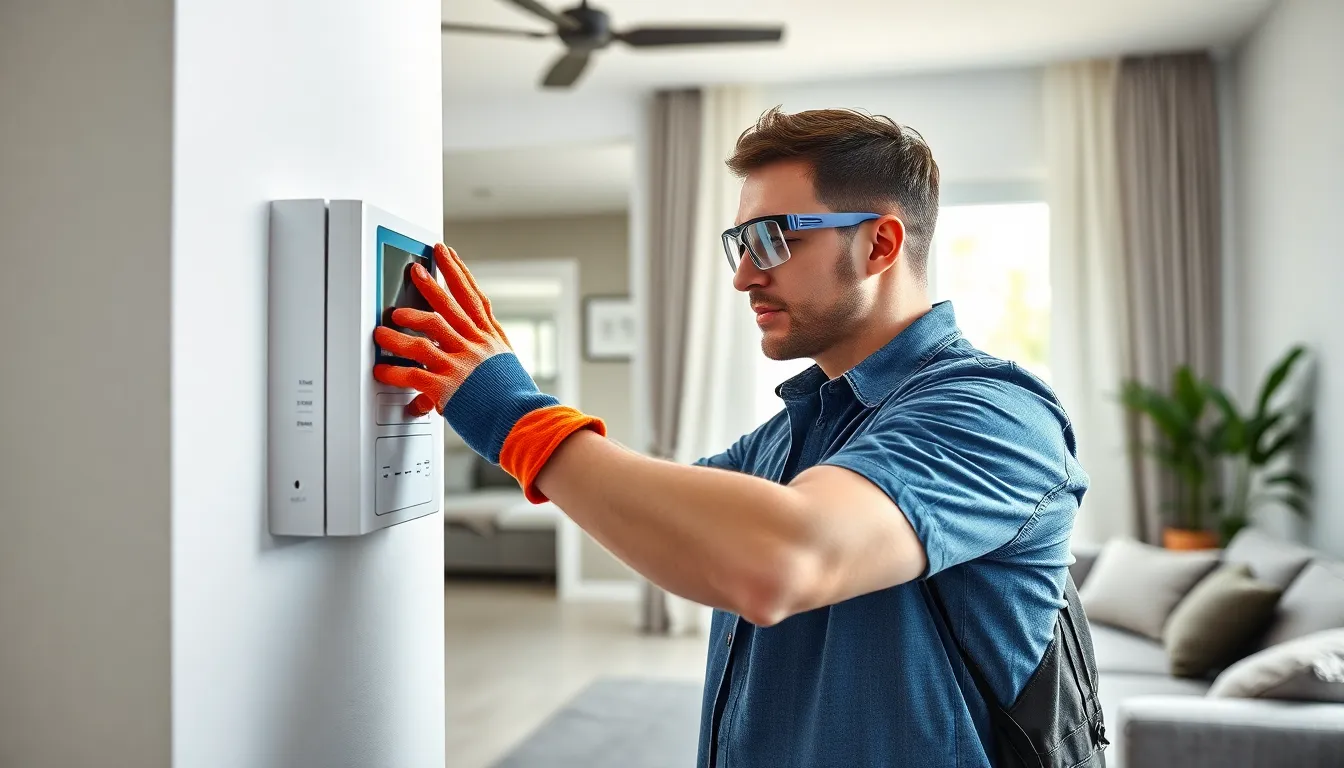
Testing an alarm system ensures its effectiveness. Regular checks confirm reliability and enhance safety.
Pre-Test Checklist
Before starting, gather necessary tools and documents. Verify battery status of sensors and control panels. Ensure access to all equipment and locations where alarms protect. Check the alarm system’s user manual for specific testing instructions. Confirm that communication lines to monitoring services are functioning. Last, inform all household members about the testing schedule to avoid confusion.
Step-by-Step Testing Procedures
Begin testing with functional tests that simulate real scenarios. Activate each sensor, ensuring alarms trigger appropriately. Next, inspect visual and auditory alerts for clarity and volume. Conduct sensitivity tests using approved methods to measure detection thresholds. Test backup power sources to ensure they function during outages. Finally, document all results for future reference. Regular evaluations facilitate timely maintenance or replacements, fostering confidence in alarm performance.
Common Issues Identified During Testing
Alarm system testing often uncovers various issues affecting performance and reliability.
Sensor Malfunctions
Sensor malfunctions frequently occur and can lead to false alarms or missed detections. Dust accumulation or misalignment affects the sensors’ ability to detect motion accurately. In addition, dead batteries can render the sensors inoperative. Routine cleaning and realignment contribute to optimal functionality. Testing each sensor ensures they respond appropriately during simulated events. If a sensor fails, immediate replacement addresses potential security vulnerabilities.
Connection Problems
Connection problems also emerge during alarm system tests and can disrupt communication between components. Weak or damaged wiring interrupts signals between the control panel and sensors. Wi-Fi-enabled systems may experience connectivity issues due to network interference. Regularly checking cable integrity helps identify potential faults. For wireless connections, maximizing signal strength boosts system performance. Each component’s connectivity must be verified to guarantee seamless protection throughout the property.
Best Practices for Alarm System Testing
Testing an alarm system regularly enhances its effectiveness and ensures safety. Establishing a consistent schedule for checks will help identify potential issues before emergencies arise.
Regular Testing Schedule
A regular testing schedule ensures alarm systems remain operational. Monthly tests are recommended for smoke detectors, while a quarterly check for security systems suffices. Align the tests with daylight saving time changes to simplify scheduling. Family members should know when tests occur to avoid confusion. Maintaining a log of test results aids in tracking performance over time. Regular checks promote confidence in the alarm system’s ability to protect homes effectively.
Professional vs. DIY Testing
Deciding between professional testing or DIY checks depends on specific circumstances. Professionals possess the expertise to identify complex issues, ensuring comprehensive assessments. Hiring a technician also covers more advanced systems that may require specialized tools. On the other hand, DIY testing suits basic installations, allowing homeowners to save money. Regularly assessing alarms and opting for professional help if uncertainties arise sustains reliability in protection. Balancing between personal checks and professional evaluations strengthens overall alarm system performance.
Regular testing of alarm systems is essential for ensuring safety and reliability. By conducting various tests and following best practices, homeowners can identify potential issues before they become serious problems. This proactive approach not only enhances the performance of the alarm system but also fosters peace of mind for residents.
Staying on top of maintenance schedules and documenting test results can significantly improve the overall effectiveness of security measures. Whether opting for DIY checks or professional assistance, consistent evaluations are key to maintaining a dependable alarm system. Prioritizing these practices ultimately protects lives and property, making it a vital aspect of home safety.


