Table of Contents
ToggleMost homeowners don’t think about their air conditioner until it stops working, usually on the hottest day of summer. By then, you’re looking at emergency service fees and premium pricing for repairs that could’ve been prevented. AC maintenance specials offer a smarter approach: pre-scheduled tune-ups at discounted rates that keep your system running efficiently and catch small issues before they turn into expensive failures. These promotional offers typically appear during off-peak seasons when HVAC companies need to fill their schedules, which means homeowners can score professional service for a fraction of what they’d pay during peak demand.
Key Takeaways
- AC maintenance specials offer pre-scheduled tune-ups at discounted rates during off-peak seasons, helping homeowners avoid costly emergency repairs and premium service fees.
- A well-maintained air conditioner operates 15-20% more efficiently than a neglected one, directly reducing utility bills and offsetting the cost of professional maintenance.
- Early spring (March-April) and late fall (October-November) offer the best deals for AC maintenance specials, as contractors have lower demand and offer aggressive pricing to fill their schedules.
- AC maintenance packages should include coil cleaning, refrigerant checks, electrical inspections, and thermostat calibration—legitimate service takes 60-90 minutes and should come with a written checklist.
- Homeowners can extend time between professional tune-ups by monthly filter changes, quarterly condenser cleaning, and seasonal thermostat testing, but should never attempt refrigerant or electrical work themselves.
- Annual maintenance agreements bundled with spring AC and fall furnace service often provide better long-term value than one-off specials, including perks like priority scheduling and repair discounts.
Why AC Maintenance Specials Are Worth It for Homeowners
A well-maintained air conditioner runs 15-20% more efficiently than a neglected one, which translates directly to lower utility bills. Over a cooling season, that efficiency gain can offset the cost of the tune-up itself.
Beyond energy savings, regular maintenance extends equipment lifespan. Most central AC units are designed to last 12-15 years, but poor maintenance can cut that short by three to five years. Replacing a system costs $3,500-$7,500 depending on tonnage and efficiency rating, so every year you postpone replacement is money saved.
Maintenance specials also reduce the risk of mid-summer breakdowns. When a technician cleans coils, checks refrigerant levels, and tests electrical components during a spring tune-up, they’re identifying wear before it causes failure. That means fewer emergency calls at premium rates and less downtime when you actually need cooling.
Many HVAC manufacturers require annual professional maintenance to keep warranties valid. If your compressor fails and you can’t show service records, you might be on the hook for a $1,200-$2,000 repair that should’ve been covered. Maintenance specials help you stay compliant without paying full-price service rates.
What’s Typically Included in AC Maintenance Specials
Most AC maintenance packages follow a standard checklist, though details vary by provider. Here’s what a thorough tune-up should cover:
Core inspection and cleaning tasks:
- Evaporator and condenser coil cleaning. Dirty coils force the system to work harder and reduce heat transfer efficiency.
- Condensate drain line flush. Clogs cause water damage and humidity issues inside the home.
- Air filter replacement or cleaning. Some specials include a basic 1-inch pleated filter: high-efficiency media filters may cost extra.
- Refrigerant level check. Low refrigerant indicates a leak, which requires repair beyond basic maintenance.
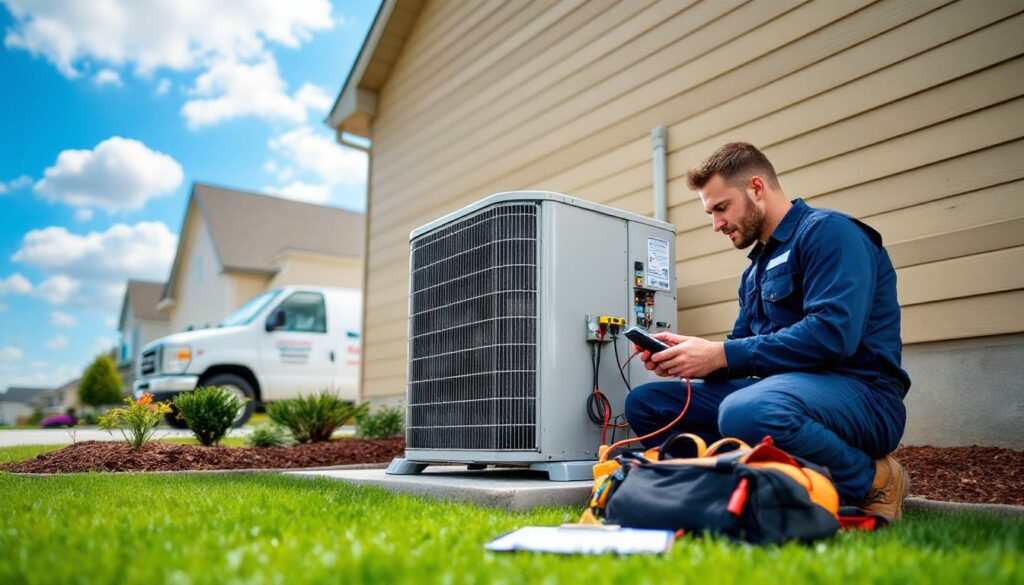
- Electrical connection inspection. Technicians tighten terminals and measure voltage and amperage on motors and compressor.
- Thermostat calibration. Ensures accurate temperature readings and proper system cycling.
- Blower motor and fan blade inspection. Worn bearings or debris buildup reduce airflow and strain the motor.
- Capacitor testing. Start and run capacitors are common failure points: testing spots weak components before they fail.
Some specials also include duct inspection (checking for leaks at boot connections and plenum joints), though full duct sealing typically costs extra. Be clear on what’s included versus what’s an upsell.
A legitimate maintenance visit should take 60-90 minutes. If a tech is in and out in 20 minutes, they’re skipping steps.
When to Look for the Best AC Maintenance Deals
HVAC companies run their deepest discounts when demand is lowest. Early spring (March-April) is prime hunting season. Contractors want to fill schedules before the summer rush, so you’ll see aggressive pricing and more flexible appointment slots.
Late fall (October-November) is the second-best window. After cooling season ends, companies shift focus to heating, but many offer dual-fuel specials if you maintain both your furnace and AC together.
Avoid booking during peak summer months unless you’re already on a maintenance plan. June through August service calls command premium pricing, and specials are rare because demand is maxed out.
Some contractors offer annual maintenance agreements that include spring AC service and fall furnace service at a bundled rate. These plans often come with perks like priority scheduling, waived diagnostic fees, and discounts on repairs. If you plan to stay in your home long-term and your HVAC system is older than five years, an annual plan often beats one-off specials.
Keep an eye on local advertising around major holidays, Memorial Day, Labor Day, and even Earth Day sometimes trigger HVAC promotions tied to energy efficiency messaging.
How to Find Legitimate AC Maintenance Specials Near You
Start with local HVAC contractors rather than national chains. Smaller companies often run specials to compete with bigger names, and you’re more likely to get the same technician on repeat visits, which builds familiarity with your system.
Check platforms where homeowners compare service provider reviews and read recent feedback on responsiveness, pricing transparency, and work quality. Look for patterns in complaints, one bad review might be an outlier, but multiple mentions of upselling or incomplete work are red flags.
Your utility company may partner with HVAC contractors for rebate programs or seasonal promotions. Some offer discounted tune-ups as part of energy efficiency initiatives. Check your utility’s website or call their customer service line.
Google local searches with terms like “AC tune-up special [your city]” or “HVAC maintenance coupon [zip code].” Many contractors post current offers on their websites or Google Business profiles.
Ask neighbors and coworkers for referrals. Word-of-mouth recommendations for reliable techs are worth more than any online ad. If someone’s been using the same company for years without issues, that’s a strong signal.
Be cautious of deals that seem too cheap. A $49 tune-up is often a loss leader designed to get a tech in your home so they can sell you a new system or expensive repairs. Legitimate maintenance costs $80-$150 depending on your market.
DIY Maintenance Tasks You Can Do Between Professional Tune-Ups
Homeowners can handle several routine tasks that improve efficiency and reduce strain on the system. None of these replace professional service, but they extend the time between tune-ups and prevent avoidable issues.
Monthly:
- Check and replace air filters. Standard 1-inch fiberglass filters should be changed every 30 days during cooling season. Pleated filters rated MERV 8-11 can last 60-90 days depending on dust and pet hair levels. A clogged filter is the most common cause of reduced airflow and frozen evaporator coils.
Quarterly:
- Clear debris from the outdoor condenser unit. Shut off power at the disconnect box, then remove leaves, grass clippings, and dirt from around the unit. Keep vegetation trimmed back at least 2 feet on all sides for proper airflow.
- Inspect the condensate drain line. Pour a cup of white vinegar or a bleach-water solution (1:10 ratio) down the drain line to prevent algae buildup. If you see standing water in the drip pan, the line may be clogged and needs clearing.
Seasonally:
- Straighten condenser fins. Use a fin comb (available at hardware stores for under $10) to carefully straighten bent aluminum fins on the outdoor coil. Bent fins restrict airflow and reduce efficiency. Wear work gloves, the edges are sharp.
- Test the thermostat. Set it a few degrees below room temperature and confirm the system kicks on within a minute or two. If response is sluggish, the thermostat may need recalibration or battery replacement.
According to tested maintenance guides, homeowners who stay on top of filter changes and condenser cleaning see fewer mid-season failures and lower service costs over time.
Never attempt refrigerant work, electrical repairs, or compressor diagnostics yourself. Those require EPA certification and specialized tools. Mistakes can damage the system, void warranties, or create safety hazards.
Questions to Ask Before Booking an AC Maintenance Special
Not all maintenance specials deliver the same value. Ask these questions upfront to avoid surprises:
- What specific tasks are included? Request a written checklist. If the company can’t provide one, that’s a red flag.
- Is the price firm, or are there potential add-ons? Some specials cover inspection but charge extra for coil cleaning or refrigerant top-offs.
- Are diagnostic fees waived if I need repairs? Many specials include free diagnostics, but confirm in writing.
- What are your technicians’ certifications? Look for NATE (North American Technician Excellence) certification and EPA Section 608 certification for refrigerant handling.
- Do you offer a satisfaction guarantee or callback policy? Reputable companies stand behind their work. If an issue arises within 30 days of service, they should address it at no charge.
- Will you provide a written report after the visit? A good tech documents findings, including photos of worn components or measurements like refrigerant pressures and amp draw. This helps you track system health over time.
- Are parts and labor warranties included if you find a problem during the tune-up? Some companies offer limited warranties on repairs made during maintenance visits.
When comparing project cost estimates for HVAC services, make sure you’re comparing the same scope of work. A cheaper special that skips coil cleaning or electrical testing isn’t a better deal.
Finally, confirm the company is licensed and insured in your state. HVAC licensing requirements vary by jurisdiction, but most states require a contractor license for any work beyond basic filter changes.
Conclusion
AC maintenance specials are one of the smarter investments homeowners can make, catching them during off-peak seasons means professional service at a discount and fewer headaches when temperatures climb. By understanding what’s included, asking the right questions, and handling basic upkeep between visits, homeowners keep systems running efficiently and avoid the sticker shock of emergency repairs or premature replacement.