Every home has that one wall that’s seen better days, sporting scratches and scuffs like a badge of honor. But why let those imperfections linger when a simple paint touch-up can work wonders? Imagine transforming your space from “meh” to magnificent with just a few strokes. It’s like giving your walls a refreshing spa day, minus the cucumber slices and soothing music.
Touching up paint might sound like a daunting task, but it’s easier than deciding what to binge-watch next. With the right tools and a bit of know-how, anyone can tackle those pesky blemishes. So roll up those sleeves and get ready to unleash your inner Picasso. Your walls will thank you, and you might just impress your friends with your newfound DIY skills. Who knew a little paint could lead to such big smiles?
What Are Paint Touch-Ups?
Paint touch-ups involve applying small amounts of paint to specific areas to fix imperfections. Scratches, scuffs, and stains on walls often create an unappealing look. Utilizing the right touch-up technique restores the wall’s original aesthetic, enhancing the overall environment.
Touch-ups preserve the integrity of the paint job. They prevent more extensive damage, which could lead to costly repainting or repairs. A simple touch-up can breathe new life into a room, making it feel fresh and inviting.
The process of conducting touch-ups typically requires minimal tools. A small brush or roller, touch-up paint, and painter’s tape usually suffice. Matching the existing paint color plays a crucial role in achieving a seamless finish. Homeowners can often use leftover paint from the original job, ensuring an exact match.
Choosing the right time for touch-ups matters. Completing this task when lighting is optimal helps identify damaged spots. It’s advisable to assess the room at different times of day to locate all imperfections.
Planning touch-ups improves efficiency. Before starting, gathering all necessary materials minimizes running back and forth. Completing touch-ups in one session keeps the disruption to a minimum.
Understanding the advantages of paint touch-ups encourages proactive home maintenance. Addressing minor issues promptly results in long-term savings. Regular touch-ups reflect a well-maintained home, enhancing both comfort and property value.
When to Consider Paint Touch-Ups
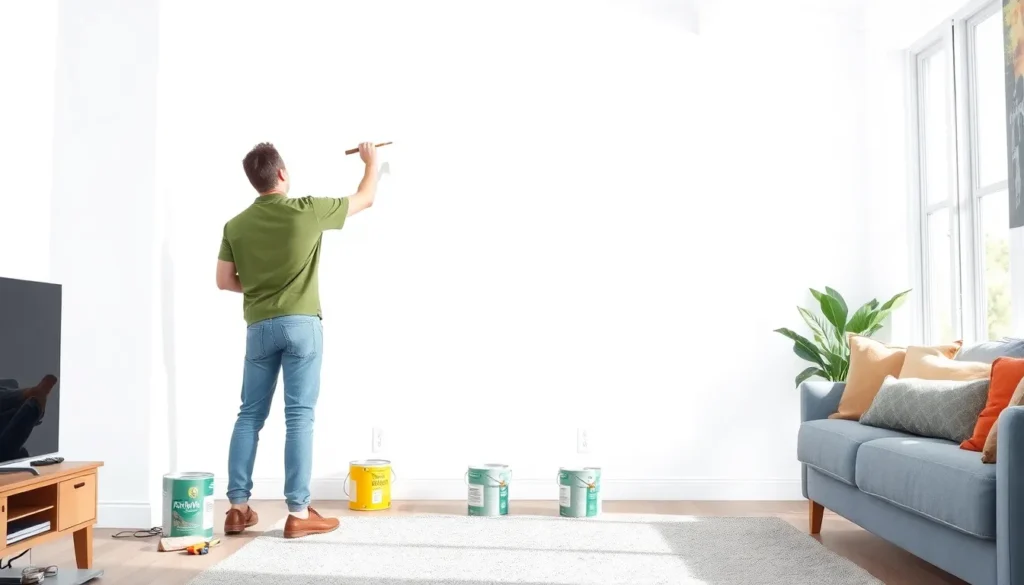
Assessing when to perform paint touch-ups involves looking for signs of wear and tear on the walls. Observing these imperfections can help maintain a polished appearance in any room.
Signs That Paint Touch-Ups Are Needed
Common indicators of necessary paint touch-ups include noticeable scratches, scuffs, and fading. Walls that display patchy areas or chipped paint also require attention. Identifying these issues early helps prevent further deterioration. Examining high-traffic areas, like hallways and the space around door frames, reveals where touch-ups may be most crucial. Additionally, changes in lighting can highlight imperfections that may go unnoticed during normal conditions. Shedding light on these details ultimately guides homeowners in determining when to refresh their walls.
Common Areas for Touch-Ups
Specific locations in homes frequently require paint touch-ups. The living room often sees wear from furniture movement and everyday activities. Kitchens also accumulate marks from spills and cooking mishaps. Bathrooms suffer from moisture damage, which can lead to peeling paint. Baseboards and trim often display dings and scratches from cleaning and foot traffic. Lastly, entryways endure wear from shoes and bags, making them prime spots for quick fixes. Prioritizing these areas ensures a cohesive and well-maintained aesthetic throughout the home.
How to Perform Paint Touch-Ups
Touching up paint requires some specific tools and materials to ensure an effective job. Homeowners benefit from having the right items on hand to achieve a seamless look.
Tools and Materials Needed
- Touch-up paint in a matching color.
- Small brush or roller for precision application.
- Painter’s tape to protect surrounding areas.
- Clean cloth for surface preparation and cleanup.
- Paint tray for easy access to paint.
These items simplify the touch-up process and contribute to a polished finish.
Step-by-Step Process
- Prepare the area by cleaning the wall to remove dust and debris.
- Use painter’s tape to mask areas around the repair site for cleaner edges.
- Dip the brush or roller into the touch-up paint, removing excess paint.
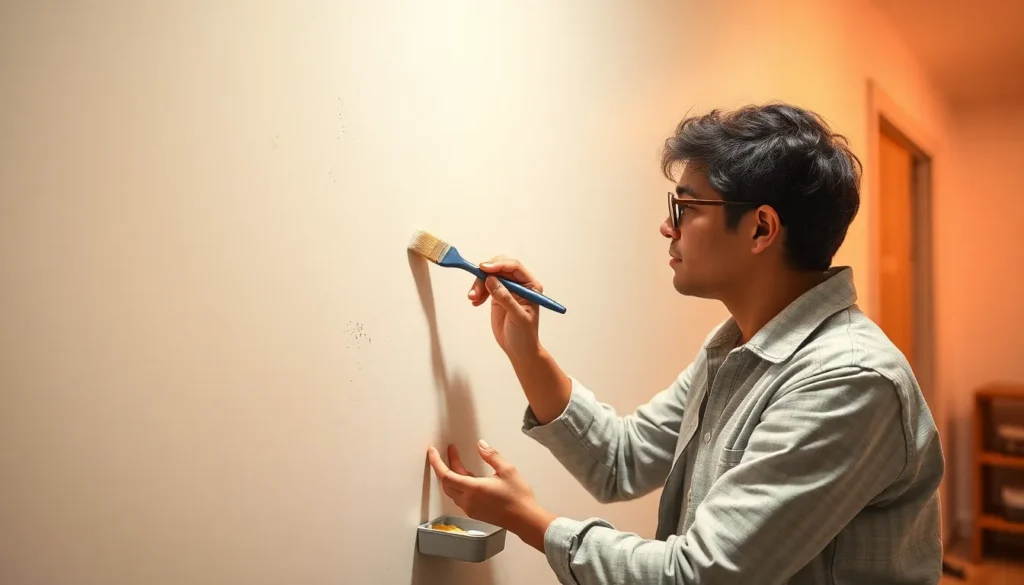
- Apply paint gently to the damaged area, feathering the edges for blending.
- Allow the paint to dry completely before removing the tape.
- Inspect the touch-up and apply a second coat if necessary for optimal coverage.
Following these steps can enhance the wall’s appearance and promote a unified look throughout the home.
Tips for Successful Paint Touch-Ups
Effective paint touch-ups require careful attention to color and blending. Maintaining a seamless appearance transforms a room’s atmosphere and strengthens overall home aesthetics.
Color Matching Techniques
Accurate color matching ensures a polished finish during touch-ups. Homeowners can employ various methods to achieve this. One approach involves taking a sample of the existing paint to a store, where staff can assist in finding the closest match. Another technique includes using a color matching app that scans and identifies the shade. It’s crucial to test the sample on a small wall area to ensure the color looks consistent under different lighting before proceeding with the larger touch-up.
Blending with Existing Paint
Blending techniques enhance the overall appearance of touched-up areas. Start by feathering the edge of the new paint into the old paint; this technique minimizes stark lines. Using a soft brush or foam roller helps achieve a smooth transition. For optimal results, apply multiple thin coats instead of one thick layer, allowing each coat to dry before applying the next. Assessing the finish under various lighting conditions ensures a consistent look, ultimately bringing the wall back to life without visible patches.
Potential Challenges and Solutions
Paint touch-ups present challenges that can affect the final outcome. Understanding these potential issues and their solutions enhances the likelihood of achieving a successful finish.
Issues with Color Mismatch
Color mismatch often arises when the new paint doesn’t exactly match the existing color. Often, paint fades over time, so a brand new can might not replicate the original hue. To address this issue, homeowners can take a sample of the existing paint to a local store for accurate matching. Many stores utilize advanced color matching technology to ensure a perfect blend. Testing the matched paint on a small area helps verify the result under various lighting conditions. By comparing different patches, it becomes easier to spot inconsistencies, ensuring a cohesive look is achieved.
Dealing with Texture Differences
Texture differences can pose challenges during paint touch-ups. New paint might appear smoother than the previously painted surface, disrupting the uniformity. Homeowners can mitigate this issue by using the same application technique as the original paint job. For example, if the wall has a textured finish, a roller or brush that mimics the initial technique works best. Applying multiple thin coats can also help achieve a seamless transition. Paying attention to drying times between applications fosters better results. Inspecting the surface frequently allows for adjustments, ensuring the finish matches the surrounding areas closely.
Paint touch-ups are a simple yet effective way to revitalize a home’s interior. By addressing minor imperfections promptly, homeowners can maintain a fresh and appealing environment. Armed with the right tools and techniques, anyone can tackle this DIY project with confidence.
Paying attention to color matching and blending can make a significant difference in achieving a seamless finish. Regularly inspecting high-traffic areas for wear and tear ensures that the home remains in top condition. Embracing the art of paint touch-ups not only enhances aesthetic appeal but also contributes to the overall value of the property. With a little effort and care, a well-maintained home reflects pride in ownership and comfort for all who enter.